
- Daily & Weekly newsletters
- Buy & download The Bulletin
- Comment on our articles
Related articles
Recent

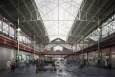
Popular

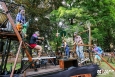


BRUSK: Bruges’ bold new museum celebrates art relating to all periods of the city’s history
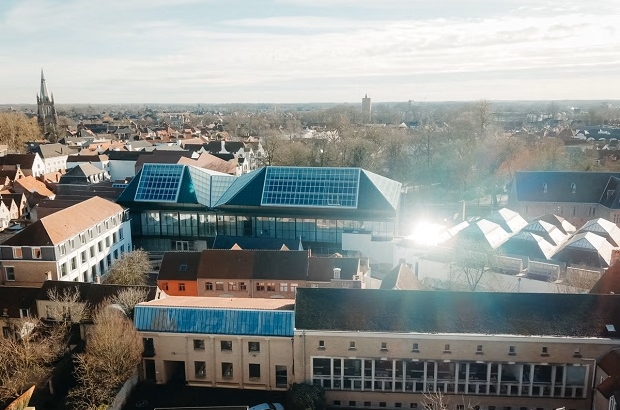
Belgium’s leading tourist city, ‘the Venice of the North’, has inaugurated a new art venue that dares to simultaneously stage exhibitions of medieval paintings alongside AI works.
BRUSK in the Flemish city’s historic heart presents temporary shows from different periods of history while showcasing its own illustrious history and vibrant contemporary culture.
The new site, part of Bruges’ museum hub Musea Brugge, realigns the city’s art credentials. Traditionally a beacon for Flemish masters, the museum establishes the city as a destination for contemporary creation, a genre habitually occupied by the cities of Brussels and Antwerp. The investment also underlines its aim to reach new audiences by weaving its heritage with a more modern outlook that equally reflects its openness to the world.
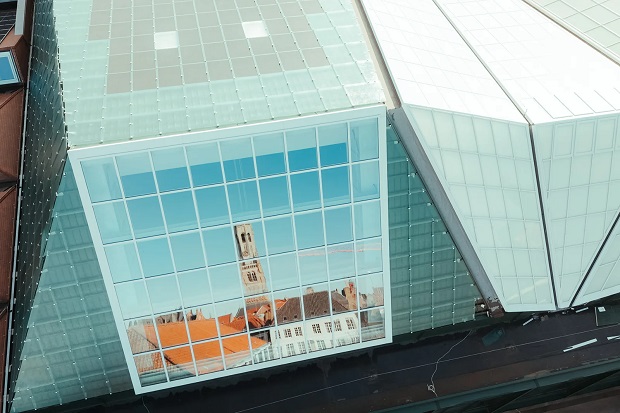
While clearly an internationally oriented museum targeting Bruges’ annual hordes of tourists, it also exemplifies local pride. The modern structure is deliberately discreet and employs materials that reflect the local character of its neighbourhood in the Dijver district.
The museum opened with a fanfare at the beginning of May: a festive weekend of celebratory activities that drew some 73,000 visitors.
“The enormous turnout and the enthusiasm of the public demonstrate that there is a hunger in Bruges and far beyond for contemporary cultural experiences in all their forms,” said mayor Dirk De Fauw. “After years of preparation, it is wonderful to show BRUSK to the world as an innovative cultural hub for art and people,” he added.
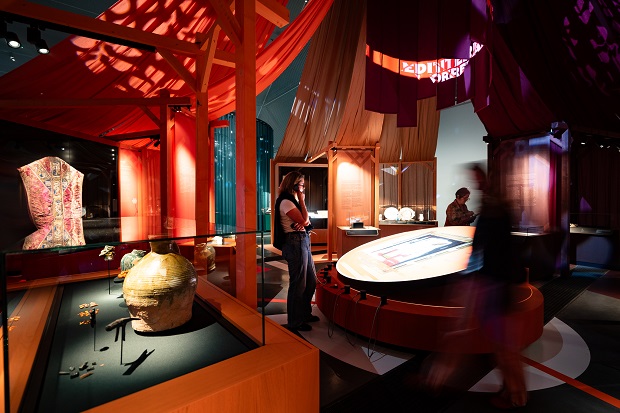
The museum’s two launch shows demonstrate the breadth and ambition of the new complex. Bigger Picture: Interwoven Worlds of Bruges 900–1550 delves into Bruges’ golden age when it established itself as a major global economic and cultural crossroads from the Middle Ages to the Renaissance. It is counterpoised by Turkish-American artist Refik Anadol’s first solo show of digital works in Belgium: Latent City.
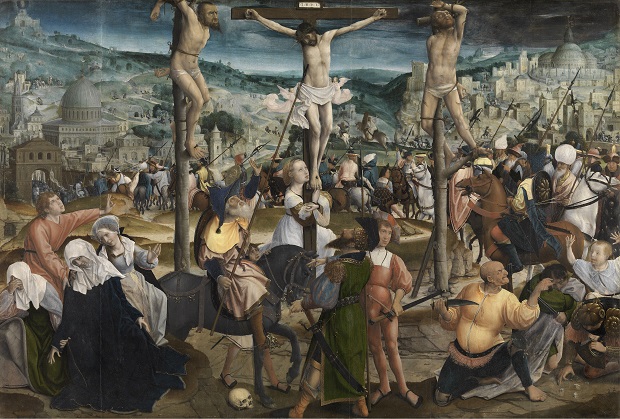
For the exhibition on the city’s medieval golden age, the museum presents more than 250 works from prestigious collections around the world that reveal the strategic connections between Bruges and trading regions including the Mediterranean, Scandinavia and the Ottoman Empire. Among the exhibits exploring eight centuries of history are portraits of important figures such as the Burgundian duke Philip the Good and the Ottoman Sultan Mehmed II, as well as Bruges' artist Jan Provoost's theatrical Crucifixion painting (pictured above).
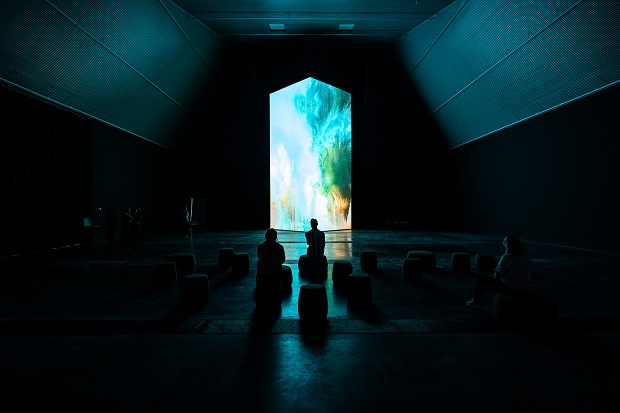
Meanwhile, Latent City spotlights the growing medium of AI-generated art. Anadol is a pioneer in the field, internationally-renowned for his innovative work in data visualisation. His art explores themes such as collective memories, humanity's relationship to nature, the perception of space and time, and human-machine collaborations. For BRUSK, Anadol created new site-specific installations using data from the city itself, from its medieval networks and architecture to its magnificent art collections.
For Flemish minister-president Matthias Diependaele, “The Story of Flanders is one with delightful chapters; that is also the reason why the city of Bruges continues to attract so many visitors from all over the world.”
Alongside temporary exhibitions, the art museum also houses a research centre that has been named BRON, the Dutch word for source. A print room is due to open in 2027.
BRUSK
Dijver 12
Bruges
Photos: BRUSK©Studio Woester; Jan Provoost, Kruisiging, Musea Brugge, photo Hugo Maertens