
- Daily & Weekly newsletters
- Buy & download The Bulletin
- Comment on our articles
Related articles
Recent



Popular




Low-emission zone passes on hold following criticism from Council of State
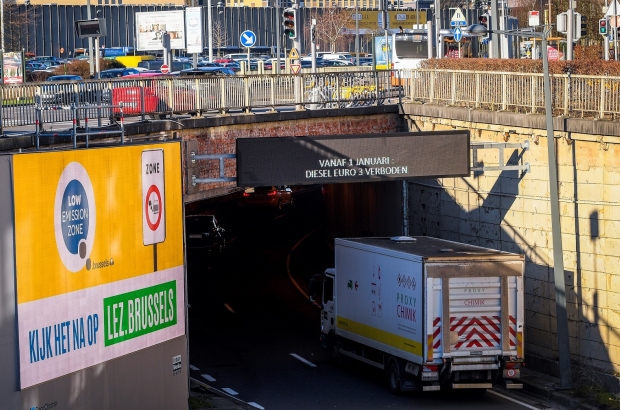
Annual paid passes that would allow socio-economic exemptions to Brussels’ Low Emission Zone (LEZ) are being put on hold following criticism from Belgium’s Council of State.
The passes - which would cost either €350, or €200 for those on means-tested benefits - would allow motorists with a Euro 5 diesel or Euro 2 petrol car to drive them in the capital despite a ban on such polluting vehicles since 2018.
The Council of State said that a more robust case needed to be made for allowing exemptions and has instructed the civil service to carry out analyses demonstrating why it is difficult for certain Brussels residents to purchase a less-polluting car, and why a low-cost annual pass is therefore justified.
In its opinion, the Council of State cited the standstill principle enshrined in Belgium’s constitution which prohibits authorities from reducing protections for citizens, in this case as relates to air quality.
According to the Council, the Brussels government has failed to demonstrate sufficiently how air quality can nevertheless improve even if the LEZ is relaxed to allow more polluting vehicles to remain on the roads.
It also noted that motorists were given sufficient advance notice of the tightening of LEZ standards and have therefore had plenty of time to adapt to the new measures.
“We received feedback from the Council of State telling us: striking a balance between environmental objectives and, at the same time, ensuring greater social accessibility and inclusivity is possible, but we need to better explain and objectively justify why we are making certain choices,” state secretary for the environment Ans Persoons (Vooruit) told BX1.
“It’s certainly possible if we provide all our analyses of the figures to better explain our choices.”
The Brussels government will now prepare a decision for second reading and use analyses and studies to demonstrate why it believes the LEZ exemptions are justified.