
- Daily & Weekly newsletters
- Buy & download The Bulletin
- Comment on our articles
Related articles
Recent



Popular


WWF publishes first guide to sustainable chocolate in Belgium
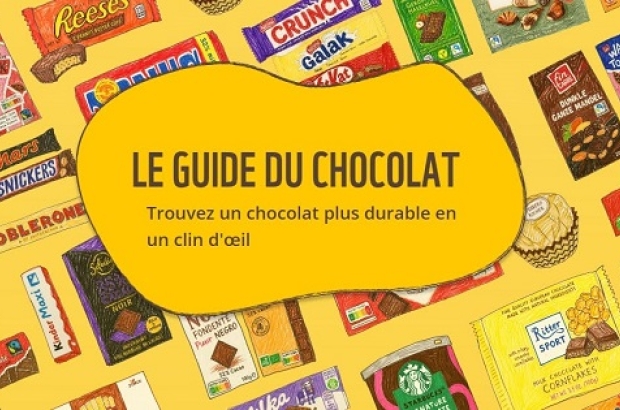
With an average consumption of nearly seven kilos per person per year, Belgium is one of the world’s biggest chocolate consumers. But how does it rate on an ecological scale?
The country is among the world’s leading cocoa importers, yet behind the bars, pralines and confectionery lies the bitter reality that cocoa production contributes to deforestation and precarious conditions for farmers.
To help people make informed choices on more sustainable brands to buy, WWF-Belgium has launched a new free online guide (in French, Dutch and English) It helps them understand the impact of their purchases and to prioritise more environmentally friendly products.
“The idea behind this guide is to answer a very simple question: how do you choose more responsible chocolate?” says WWF-Belgium head of digital communications Catherine Renard.
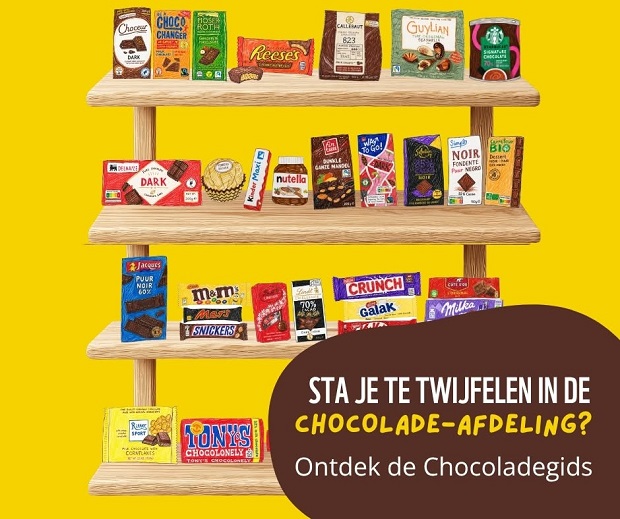
We want consumers to consult this guide, which compares the most prominent brands on the Belgian market according to social and environmental criteria, and where possible to, “give preference to brands that are making an effort, in social or environmental terms,” she said.
This is important, she emphasised, when “our consumption is linked to the deforestation of an area the size of the city of Liège every year.”
Beyond the loss of tropical forests, cocoa farming faces other challenges: “Behind this deforestation lies other issues: insufficient incomes for producers, excessive use of pesticides and even child labour,” Renard makes clear. “These are all realities that remain invisible to consumers when they are making their purchases.”
Labels only a start
As a consumer, the label is a starting point to read about environmental information including the opportunity to highlight initiatives promoting more sustainable production, whether these relate to working conditions or environmental protection, or the award of standards such as ‘Fair Trade’.
“Labels can serve as an initial guide, as they remain a useful entry point to several key issues,” said Renard. “But no single label tells the whole story” and can cover all the issues facing the cocoa sector.
Tony’s comes top
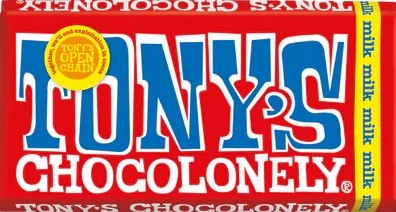
Tony’s Chocolonely is number one on the list, while second placed Ritter Sport also scores consistently high for tracking cocoa directly to the farm and for ensuring fair pay for growers. Mars Wrigley (3), Ferrero (5) and Nestlé (6) are also ranked near the top of the table that details the performance of some 19 brands.
For retailers, WWF commends chains like Ahold Delhaize (4), Aldi and Carrefour for transparency and for their consistent participation in the evaluation.
Meanwhile, at the bottom of the chart, come global multinationals like Mondelez International (Côte d’Or and Oreo) and Starbucks. Major supermarkets such as Colruyt and Lidl are also criticised for lacking transparency or for failing to make sufficient progress to eliminate deforestation and exploitation.