
- Daily & Weekly newsletters
- Buy & download The Bulletin
- Comment on our articles
Related articles
Recent




Popular





Exploring the evolution of children’s furniture design throughout the 20th century
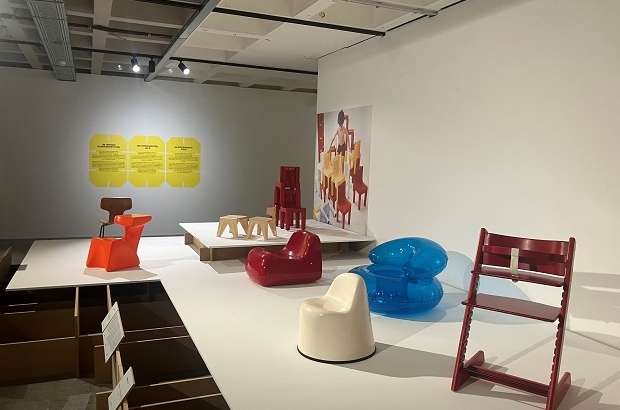
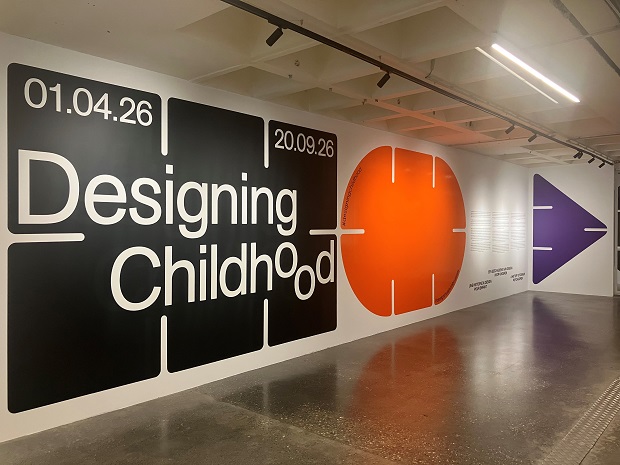
In collaboration with the Centre Pompidou in Paris, the Design Museum Brussels presents its latest exhibition, Designing Childhood: A History of Design for Children.
The show explores how children’s furniture evolved throughout the 20th century, not only as functional objects, but as experimental spaces where designers tested new materials, production methods and playful forms, while also reflecting changing ideas about childhood within society and the family.
The 20th century brought profound social and cultural shifts, which were mirrored in the design of children’s furniture. Influenced by philosophers, educators and emerging theories of learning, designers began to prioritise purpose and child development. Rather than simply replicating adult furniture in miniature, pieces became increasingly multifunctional, versatile and playful.
A key space for this experimentation was the domestic interior, particularly the child’s bedroom. Here, furniture began to integrate educational and interactive elements, combining function with imagination.
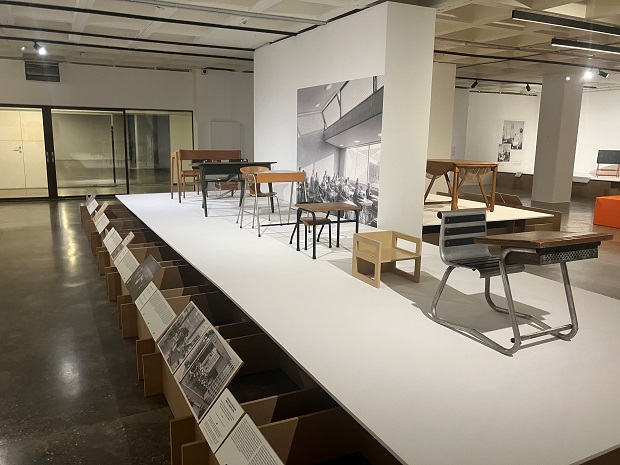
Following World War One, developments in pedagogy, industrialisation and growing awareness of health and hygiene also transformed schools. Educational institutions began to rethink both architecture and furniture design, aligning spaces more closely with children’s needs.
The post-war period marked a particularly experimental phase. Designers explored new scales, shapes and materials, including plastics and moulded plywood. Iconic examples include Quasar Khanh’s inflatable Satellite Junior chair (1968) and Luigi Colani’s Chair Top System (1971), which pushed the boundaries of form and function.
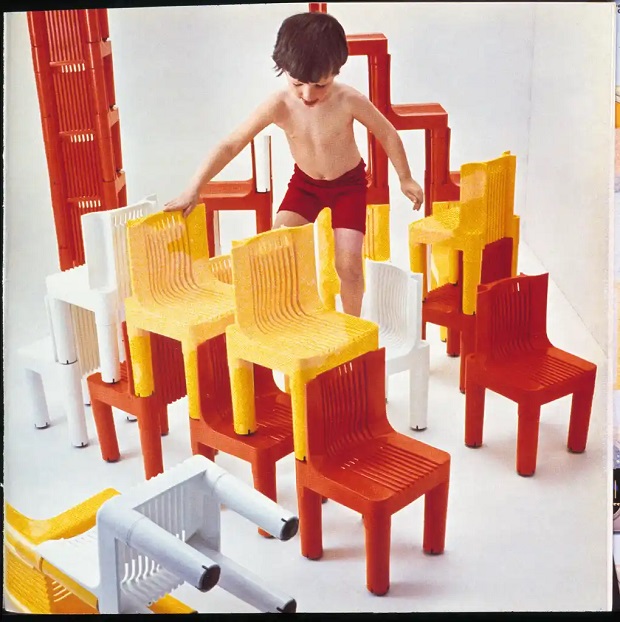
By the 1960s, plastic had become a defining material, enabling lightweight, durable and colourful designs. Children’s furniture became modular, stackable and interactive, and the sector gradually developed into a distinct consumer market.
Today, while designers continue to challenge standardised industrial forms, there is a renewed focus on sustainability and inclusivity. Natural materials such as wood have regained importance, alongside innovative eco-design approaches. Belgian studio Ecobirdy, for example, creates children’s furniture from recycled plastic, combining environmental awareness with playful design.
The centre of the exhibition features an interactive playground space, inviting visitors of all ages to explore, create and play. From building blocks to classic games like the House of Cards (1952), the exhibition encourages hands-on engagement with design.
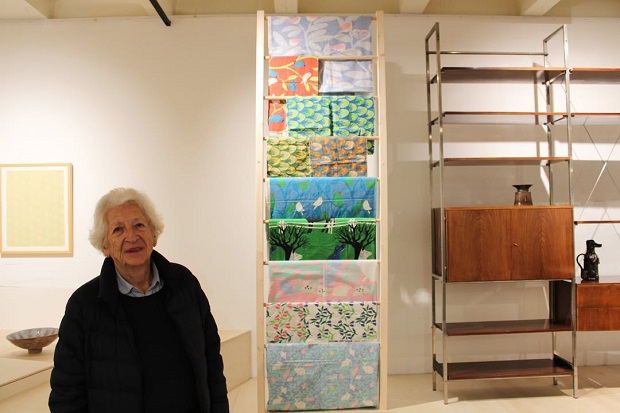
Alongside the exhibition, a podcast series has been launched focusing on key figures in Brussels’ design scene, beginning with Marie Paquay Wabbes, known for her children’s textile designs (pictured).
Designing Childhood: A History of Design for Children
1 April to 20 September
Design Museum
Place de Belgique
Laeken
Photos: Child with stacking chairs ©Courtesy Archivio Museo Kartell, ITA; Marie Wabbes ©Instagram; all other photos ©Magdalena Bissels