
- Daily & Weekly newsletters
- Buy & download The Bulletin
- Comment on our articles
Related articles
Recent


Popular


Ryanair warns of long queues this summer as entry-exit system 'not ready'
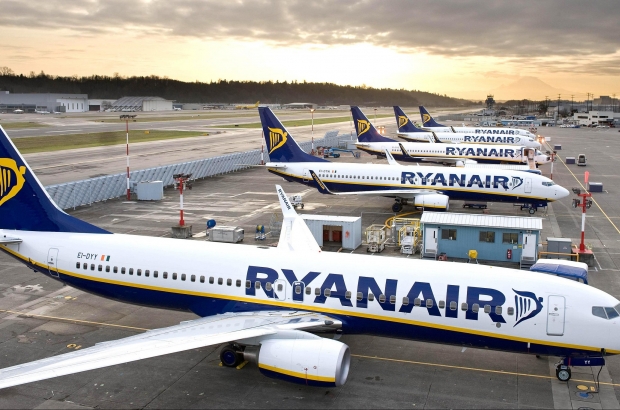
Ryanair has warned customers of the risk of long queues at passport control during summer, when millions of families go on holiday.
The budget airline is calling for implementation of the new European Entry/Exit (EES) system to be postponed until September to avoid delays, stress and missed flights, adding that it does not think it can cope with the influx of travellers.
“As Europe enters the busiest travel period of the year, it’s clear that the system is not ready,” said Ryanair’s director of operations, Neal McMahon.
“Passengers must not be used as guinea pigs for an unfinished scheme.”
The system aims to modernise border controls at the external borders of the Schengen area. It replaces the manual passport stamp and allows for the recording of travellers’ details and biometric data such as fingerprints and facial scans, as well as their entry and exit dates, in order to monitor overstays and entry refusals.
But according to Ryanair, passengers - particularly families with children - risk facing “long and avoidable queues” if the system is maintained during the height of the summer season.
Ryanair said that the infrastructure was not yet ready to cope with the expected volume of travellers, citing a shortage of staff, insufficient kiosks and systems that are not yet fully operational.
European airports and airlines say the implementation of the ESS has been disastrous and is subjecting them to "unbearable pressure". In a letter to the European Commission, they mention queues at borders "which can now reach up to five hours during peak times".
European Commission president Ursula von der Leyen acknowledged that there was “much to do” to end airport queues due to EES.
“We’re working with member states to resolve these technical issues,” she said.
According to the European Commission, the system is crucial for better control over who enters and exits the EU, and member states and airports have had enough time to prepare for the new system.